A TEACHER WHO TALKS BACK.
A SCREEN THAT BUILDS.
We have been teaching a three-dimensional world with flat tools and a teacher who cannot repeat themselves fifty times. Cognita gives every learner a tutor they can actually talk to, and a screen that builds whatever the lesson needs while they watch.
FLAT, AND IN A HURRY
Picture a biology classroom. The teacher points to a textbook diagram of the human heart. It is labelled. It is correct — but it is flat, and there are sixty other learners waiting.
So the question you wanted to ask goes unasked. The explanation that did not land is not repeated, because the syllabus has to move. Lesson after lesson, complex living systems become still pictures, and confusion becomes something you keep to yourself.
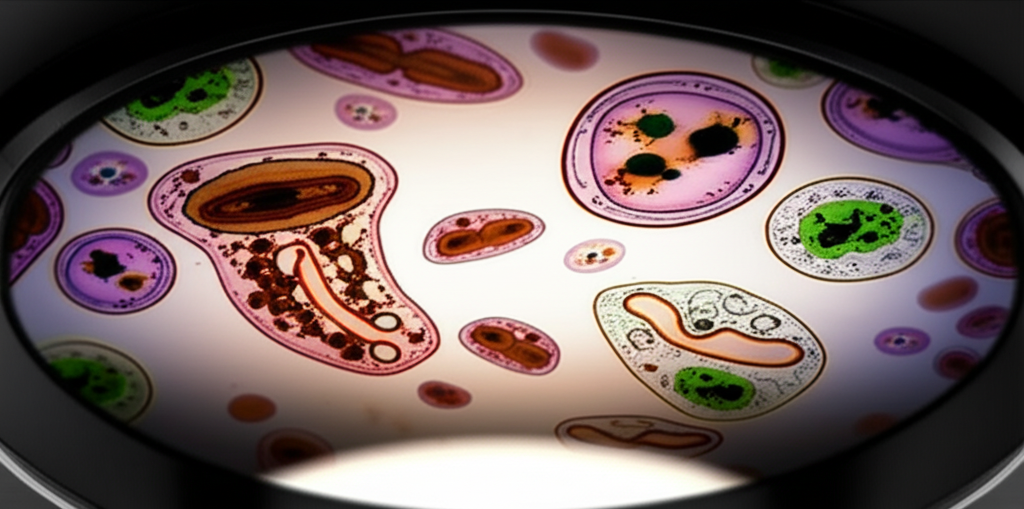
TALK TO THEM LIKE PEOPLE
Every subject has a tutor, and every tutor has a face, a name and a voice. You call one the way you would call a friend who happens to be brilliant at chemistry — at eleven at night, the day before the paper, for the fourth time this week.
They are grounded in your syllabus, so nothing they teach is off-spec. And they have infinite patience for the question you were too embarrassed to ask in a room of sixty.






SPEAK, DON'T TYPE
Ask out loud, in your own words, the way you would ask the person sitting next to you. The tutor answers in its own voice — every tutor has one.
ASK AGAIN
Not following? Say so. It explains the same idea a different way, as many times as it takes, and never once makes you feel slow for asking.
INTERRUPT IT
Stop the tutor mid-sentence, jump back to the bit that lost you, or take the lesson somewhere else entirely. You are leading the conversation.
IT WORKS ON THE BOARD
The steps appear on a live whiteboard as it talks — the working written out, the diagram drawn, your own answer marked in front of you.
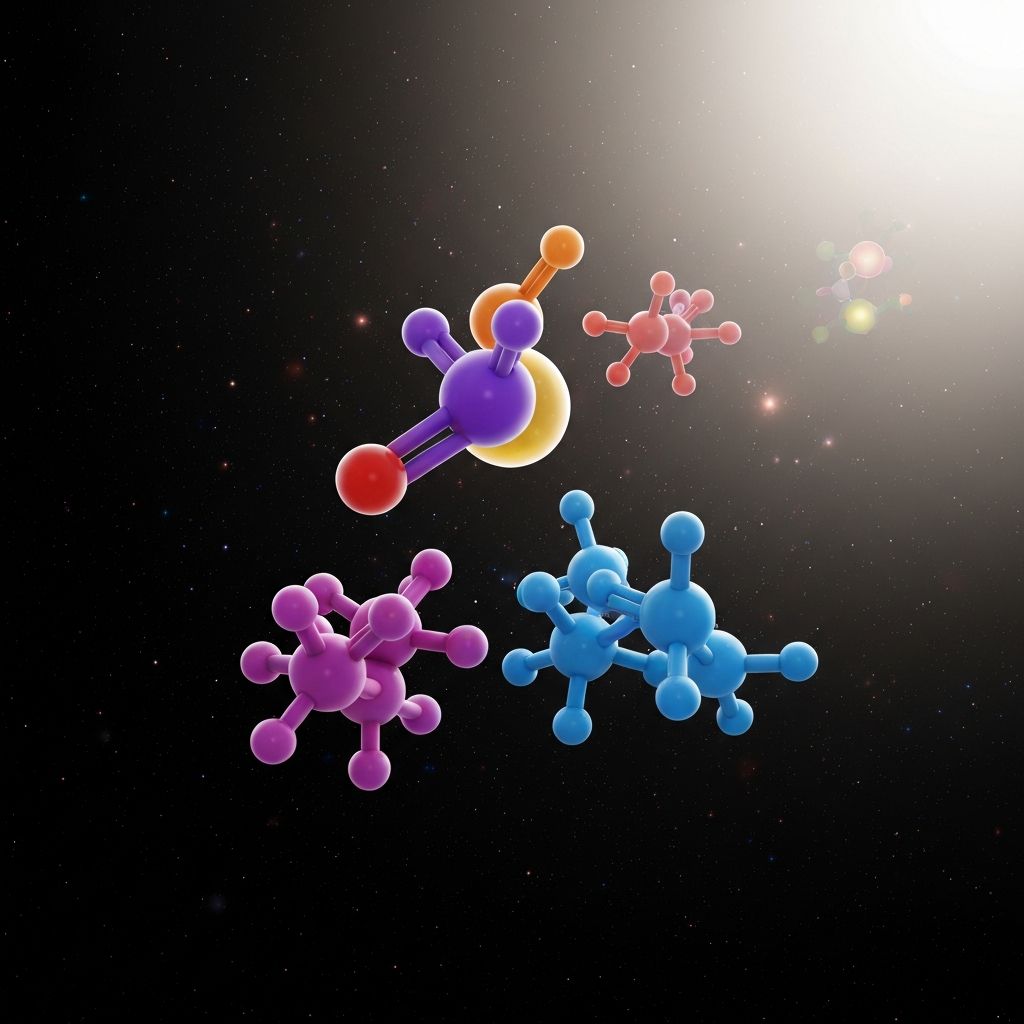
IT BUILDS WHAT YOU ARE LEARNING
Open a lesson on the heart and a heart appears — beating, and yours to handle. Rotate it, cut into the chambers, follow the blood. Ask what the valve does and the tutor answers while you are still holding it.
The object is generated for the moment it is needed, so the screen is never showing last term's slide. Simulations work the same way: change a variable, run it again, break it on purpose and see why it broke.
3D OBJECTS, MADE TO ORDER
A heart, an engine, a molecule, a circuit — generated for the thing you are learning right now, not pulled from a fixed library of ten models.
SIMULATIONS YOU RUN
Change a variable and watch what happens. Run the titration, load the beam, cross the two plants, and get it wrong as many times as you like.
BUILT DURING THE LESSON
The model is created as the tutor reaches it, so the visual belongs to the sentence you just heard rather than to a slide made months ago.
A LIVING CURRICULUM
A course stops being a stack of static content. The tutor speaks, the board fills in, the model appears — one lesson, moving at the pace of the learner in front of it.
Learning follows curiosity instead of restricting it. Zoom further, ask deeper, go past the syllabus and come back to it. Nothing stops you, and nobody sighs.
JOIN THE FUTURE
Strict admin approval required for all accounts