
Who This Is For
Three professions, one job: turning what you actually do into a lesson a class can walk around. The toolset adapts to where you came from.
RESEARCHERS
Imaging, molecular structure and simulation. Turn current research into something a Grade 11 class can walk around.
ENGINEERS
Mechanical parts, turbines, circuits and structures. Generate CAD from a description and drop it into a lesson scene.
SURGEONS
3D organs and anatomy for high-fidelity biological simulation — the lessons a school cannot run without a cadaver lab.
Researchers
Imaging, molecular structure and simulation — the collaboration layer that turns a paper nobody outside the field reads into something a Grade 11 class can walk around.
IMAGING PIPELINE
Bring volumetric scans, microscopy stacks and simulation output in, and generate a navigable 3D model a student can rotate, section and take apart.
MOLECULAR & STRUCTURAL
Render proteins, compounds and crystal structures as teaching assets — the geometry that a printed diagram flattens out of existence.
NVIDIA & BIONEMO
AI analysis and life-science model tooling wired into the platform, so the compute-heavy step sits beside the teaching output rather than in a separate stack.
SHARED ASSETS
Publish a dataset or model once. Other researchers extend it, instructors teach from it, and every derivative stays credited to you.
CO-AUTHOR & REVIEW
Work with other researchers on the same asset, and review the missions built on your material before students are set them.
CURRENT WORK, TAUGHT NOW
The gap between a result being published and a syllabus catching up is years. This closes it to the length of one upload.
Imaging &
Collaboration
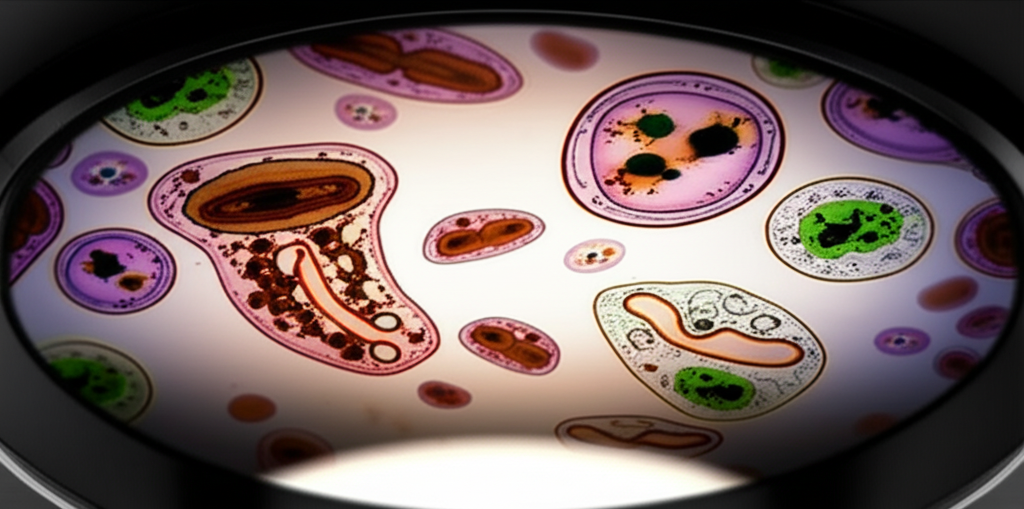
Your imaging output — volumetric scans, microscopy stacks, molecular structures, simulation frames — already exists. What it lacks is a route into a classroom and a second pair of hands to interpret it.
Bring a dataset in, generate a navigable 3D model from it, and publish it as a shared asset. Other researchers can build on it, instructors can teach from it, and every use stays credited to you.
- Volumetric and microscopy imaging turned into navigable 3D
- Molecular and protein structures rendered for teaching
- AI 3D generation when no scan or mesh exists yet
- NVIDIA-backed analysis and BioNeMo for life-science models
- Co-author with other researchers on the same shared asset
- Every derivative credits and pays the original contributor
Engineers
Build The Part
A four-stroke engine, a turbine stage, a truss under load — these are objects with behaviour, and a printed cross-section throws most of it away.
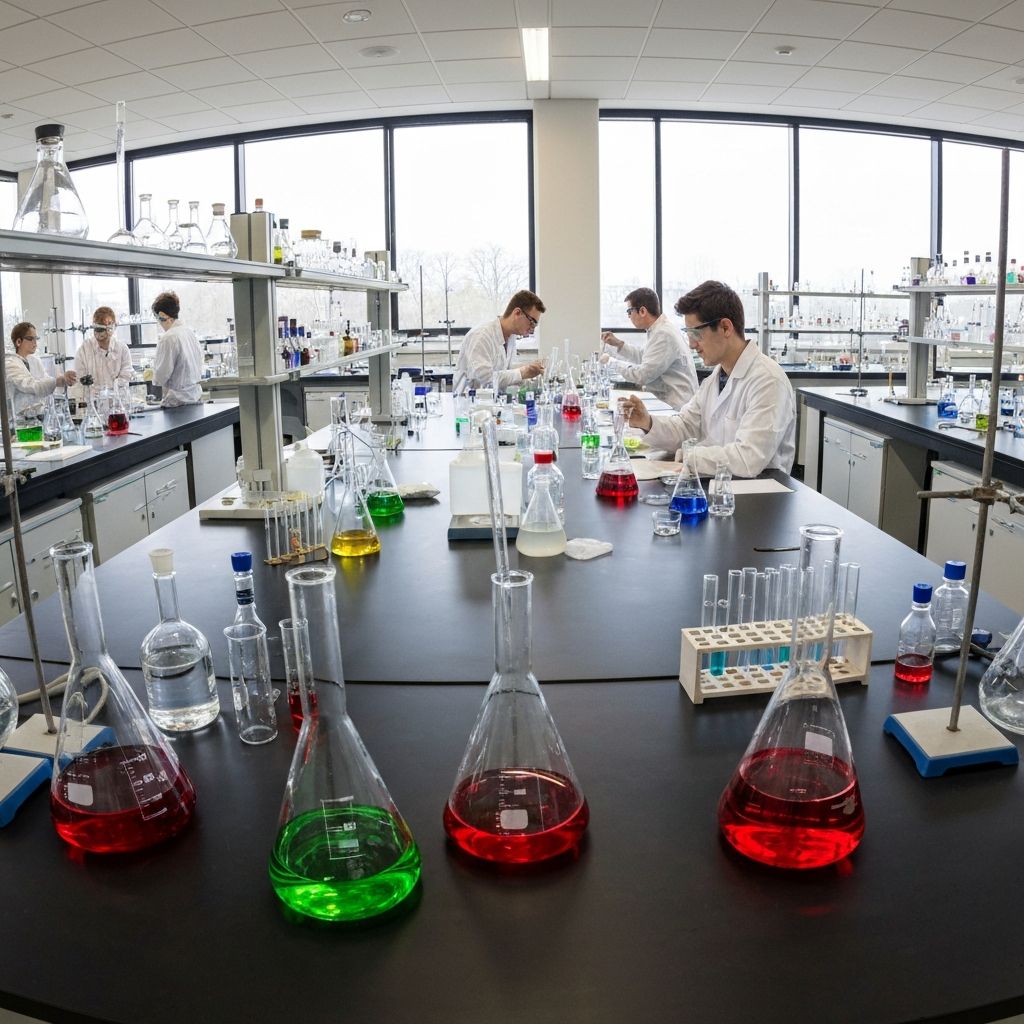
Describe the part and generate CAD from text, or bring your own Blender and Sketchfab models in. Place them in a scene, script what moves, and let a student take the assembly apart.
- Text-to-CAD for mechanical parts and assemblies
- Import your own Blender and Sketchfab geometry
- Circuits and structures students can load and break
- Validate the STEM missions built on your material

Surgeons &
Clinicians
Anatomy is the subject that suffers most from being flat. A school without a cadaver lab teaches the heart as a labelled diagram, and students arrive at training having never seen one in three dimensions.
Generate 3D organs and systems, build high-fidelity simulations from them, and take the technical consultations that come in from students and instructors who need an answer from someone who operates.
- 3D organs, systems and anatomical structures
- High-fidelity surgical and biological simulation
- Paid technical consultations with students and instructors
- Sign off that a mission reflects real clinical practice
What You Do Here
Four ways your expertise reaches a classroom without you standing in one.
BUILD 3D COURSES
Turn what you actually do for a living into an immersive lesson. Place models, script the scene, and let a student walk through your work.
GENERATE 3D ASSETS
AI 3D tools for the models you do not already have — text-to-CAD for parts, generated meshes for anatomy and lab equipment.
MENTOR DIRECTLY
Students and instructors request technical consultations. Answer the questions a textbook cannot, from inside the profession.
VALIDATE MISSIONS
Review the STEM missions students are set and sign off that they reflect real practice, not a simplified classroom version of it.
Build It Once,
Earn From It
A 3D model of a turbine, a heart valve or a protein takes real skill to produce. Once it exists, every instructor on the platform can build a lesson around it.
Publish to the marketplace and you are paid when they do — alongside the courses you author yourself and the consultations you take on.

Four Ways To Earn
SELL ON THE MARKETPLACE
Publish courses and 3D assets. Schools, instructors and home-schooling parents enrol in and buy your work.
ASSET CONTRIBUTION
Models you build once get reused across other people's lessons — and you are credited and paid each time.
DIRECT STUDENT BRIDGE
Paid technical consultations with students and instructors who need an answer from someone who does the job.
PROFESSIONAL DASHBOARD
Requests, marketplace performance and consultation history in one workspace built around your specialisation.

You Buy Cogs,
Then You Use AI
Your account is free and every professional tool is open to you from day one. Cogs are what the AI runs on — generating a 3D asset, a course draft or a rendered image spends them.
- AI 3D generation — text-to-CAD, meshes and models
- Course and lesson generation from your own notes
- Images, video and narration for a scene
- Curriculum-grounded content tools
A subscription unlocks what you can reach. Cogs are what you spend while using it — top up any time, and you only pay for what you actually generate.